How Sound Elevates Brand Identity Design

Why Sound Belongs in Brand Identity

Brand identity is often discussed in visual terms. Logos, color palettes, typography, and photography dominate the conversation. But identity is not only what people see; it is what they feel and remember. Sound adds an emotional and sensory dimension that visuals alone cannot achieve.
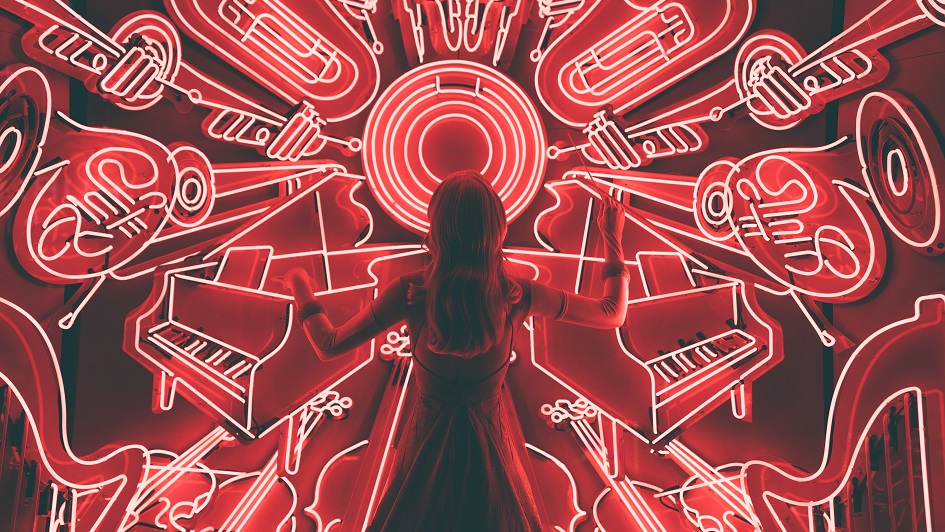
Sound can express tone, personality, and intent in a single moment. It is immediate and emotional, connecting with audiences faster than any visual cue. For brands that want to be recognized and remembered, sound is not an accessory. It is one of the most powerful elements of brand identity design.

What Is Brand Identity Design

Brand identity design is the process of defining and expressing who a brand is through consistent creative elements. These elements include the visual, verbal, and now increasingly, the sonic components that shape perception.

A complete brand identity system communicates values, emotion, and character across every platform. It ensures that no matter where an audience encounters a brand, on screen, in store, or in sound, it feels familiar and intentional.

Sound extends this system beyond sight. It introduces a new dimension of recognition that reinforces how a brand looks, speaks, and behaves.

The Core Elements of Brand Identity

Every strong identity is built on a clear and unified set of design elements. These elements work together to create consistency and recognition.

Visual Elements

  • Logo and mark systems
  • Color palette
  • Typography and layout
  • Imagery and motion style

Verbal Elements

  • Brand name
  • Tagline
  • Tone of voice
  • Messaging and storytelling

Sonic Elements

  • Sonic logo or sound mark
  • Music and brand themes
  • UI and product sounds
  • Environmental and experiential soundscapes

When sound is intentionally designed, it strengthens the impact of every other identity element.

How Sound Supports Visual Identity

Sound reinforces visuals by translating brand personality into emotion. A color palette might communicate energy through bold reds or calm through soft blues, but a sound can make that emotion tangible.

For example, a luxury brand might pair minimal visuals with slow, resonant tones that suggest sophistication. A playful tech company might use bright, rhythmic sounds that signal creativity. When audio and visuals work together, the brand becomes multi-sensory and memorable.

Sound also enhances rhythm and pacing in brand expression. The tempo of a jingle, the timing of UI sounds, or the sequence of a brand video can all mirror the movement and structure of visual design.

Emotional Connection Through Sound

The human brain processes sound faster than visuals. It also links sound directly to memory and emotion. This means that sonic identity can create recognition even when the logo is not visible.

A familiar sound can trigger immediate association. The soft tone of a startup sound, the chime of a notification, or a few notes in an advertisement can instantly remind audiences of a brand’s values and personality.

Emotionally, sound communicates authenticity. It makes a brand feel human. When designed with care, it creates warmth and trust. When neglected, it creates distance.

Brands that use sound well understand that it is not just about music or effects. It is about feeling.

Sound as a Strategic Element of Design

Sonic branding is not about adding music to a campaign. It is a structured design process grounded in psychology, storytelling, and brand strategy.

A strategic approach to sound includes:

  1. Defining purpose – Clarifying what emotions and associations the brand wants to evoke.
  2. Understanding audience – Researching how sound affects target demographics and cultural contexts.
  3. Creating sonic identity – Composing a palette of sounds that represent the brand’s character and tone.
  4. Testing perception – Evaluating how audiences interpret and recall sonic elements.
  5. Integrating consistently – Applying sound across campaigns, products, and environments.

When sound is developed through the same strategic lens as design and messaging, it strengthens brand equity rather than existing as decoration.

Case Studies: Brands That Use Sound Effectively

Mastercard

Mastercard developed a global sonic identity to unify its brand across languages and regions. The melody is recognizable within seconds and adaptable across cultures. This sound reinforces trust, accessibility, and continuity.

Netflix

The simple “ta-dum” heard at the start of every show has become one of the most recognizable sounds in entertainment. It sets a tone of anticipation and signals a consistent experience no matter what content follows.

Intel

The five-note Intel sound communicates innovation and reliability. It is used consistently across advertising, product launches, and digital spaces. It is minimal yet distinctive, and has remained relevant for decades.

Each of these brands treats sound as a core brand identity element, not an afterthought. The result is recognition that transcends visuals.

Integrating Sound Into Brand Identity Design

1. Start With Brand Personality

Every sound decision should stem from who the brand is. A friendly, accessible brand will not sound the same as a premium or avant-garde one. Define traits like energy, tone, and emotion, then translate those qualities into sound.

2. Develop a Sonic Palette

A sonic palette functions like a color palette for the ears. It includes the tones, instruments, tempos, and textures that define a brand’s audio world. This palette ensures that every sound, from ad music to app notifications, feels cohesive.

3. Design for Versatility

A good sonic identity works in multiple contexts—advertising, digital interfaces, events, and retail. Adaptability ensures the brand sounds consistent without becoming repetitive.

4. Keep It Simple and Memorable

The strongest sonic identities are short and distinctive. Overly complex compositions are harder to recall. Aim for clarity and emotional resonance.

5. Sync Audio With Motion and Timing

When sound and motion align, the brand feels intentional and refined. This is especially important in video content, where rhythm and pacing define tone.

6. Test, Listen, and Refine

Sound perception varies across cultures and playback systems. Test your sonic elements with diverse audiences and refine based on feedback. What feels inspiring in one market may feel intense in another.

Sound in the Digital Experience

As more interactions happen on screens, sound has become essential to creating presence. Digital products use sound to guide users, confirm actions, and express personality.
Notification tones, app transitions, and micro-interactions are all part of a brand’s sound identity. The wrong sound can feel intrusive. The right one becomes intuitive and satisfying.

In digital spaces, sound design also contributes to accessibility. Audio cues can assist users with visual limitations and make experiences more inclusive.

Sound and the Physical Environment

Physical spaces can also express identity through sound. Retail stores, events, and hospitality settings use curated music and environmental sound to shape atmosphere and emotion.

A luxury boutique might use slow, low-frequency soundscapes that feel calm and elegant. A fitness brand might design energetic playlists and spatial sound systems to amplify motivation. These choices influence how people move, feel, and remember the experience.

Sound creates continuity between digital and physical touchpoints. It bridges the gap between visual identity and lived experience.

Measuring the Impact of Sonic Identity

To evaluate how sound affects brand identity, measure both recognition and emotion. Surveys, focus groups, and A/B testing can reveal whether audiences connect the sound to your brand.

Performance metrics like dwell time, engagement rates, and recall studies also show how sonic branding influences attention and retention.

Qualitative feedback is equally valuable. Ask audiences how the sound makes them feel and whether it matches their perception of your brand. These insights help refine your sonic design and strengthen alignment between identity and emotion.

Common Mistakes in Sonic Branding

  1. Treating sound as an afterthought rather than a design system.
  2. Using generic stock audio that lacks distinctiveness.
  3. Ignoring playback environments and device differences.
  4. Overcomplicating sonic logos or brand themes.
  5. Failing to align sound with the broader brand identity elements.

Sound should always serve the same strategy as visuals and language. When it does, it becomes an asset that builds equity over time.

Why Sound Is the Future of Brand Identity Design

The rise of voice assistants, spatial audio, and AI-driven personalization has expanded how audiences experience brands. People are no longer just seeing brands—they are hearing them.

Sound will continue to grow as a defining element of identity. It offers immediacy, emotion, and immersion in ways visuals cannot match. Brands that invest in sound now will have a head start in creating recognition that lasts across platforms and generations.

Making Sound a Core Element of Your Brand Identity

Building a complete brand identity requires attention to every sense. Sound connects those senses together and brings identity to life.

CMoore Sound helps brands design sonic systems that integrate seamlessly with visual and verbal identity. From sonic logos to full auditory environments, we create experiences that are authentic, consistent, and emotionally powerful. Want your brand to be seen, felt, and heard? We can help you make it happen.

What Is Sound Design? + Expert Sound Design Tips

Understanding Sound Design

Sound design is the art and science of creating, shaping, and integrating audio elements to enhance an experience. It is the process of building emotion, realism, and atmosphere through sound. Whether in film, gaming, advertising, or brand experiences, sound design transforms what people see into what they feel.

At its core, sound design is about storytelling. Every sound, from subtle background textures to bold effects, communicates meaning. It can evoke emotion, define space, guide attention, and give life to visuals. Without sound design, even the most powerful visuals feel flat.

What Does a Sound Designer Do

A sound designer is responsible for constructing the audio landscape of a project. Their work can involve recording, editing, synthesizing, or manipulating sound to achieve a specific purpose or emotion. In practical terms, this includes:

  • Capturing or creating original sounds through recording or synthesis
  • Cleaning and editing audio to fit timing and tone
  • Designing sound effects that support action and emotion
  • Layering ambient sound to create atmosphere
  • Mixing and balancing all elements for clarity and impact

Sound designers work across multiple industries. In film, they make a scene believable. In games, they make actions feel responsive. In audio branding, they help define identity through sonic cues that audiences associate with memory and emotion.

Why Sound Design Matters

Sound design is not decoration. It is communication. It directs emotion, focus, and perception.

In visual media, sound tells the brain how to feel about what it sees. A single note can shift a scene from calm to tense. In brand experiences, sound tells audiences who you are before they ever see your logo.

The human ear is deeply connected to emotion and memory. Studies show that people recall audio cues faster and more accurately than visual ones. That means great sound design does more than enhance, it builds recognition and trust.

The Elements of Sound Design

Sound design combines creativity with technical precision. It includes several key components that, together, create a complete experience.

1. Foley and Real-World Sound

Foley is the recreation of everyday sounds, footsteps, clothing movement, object interactions, performed and recorded to sync with on-screen action. It adds realism and texture. Even subtle details help audiences feel grounded in a scene or environment.

2. Ambience and Atmosphere

Ambience defines space. It tells you whether a moment happens in a small room, an open field, or a futuristic city. Layered ambient sound creates depth and helps immerse the listener.

3. Sound Effects

Sound effects heighten impact. They can be literal, like the click of a camera, or abstract, like a synthesized whoosh that signals a transition. Effects can emphasize emotion or focus attention on key actions.

4. Music and Tone

While music is distinct from sound design, the two are inseparable. A designer must understand how score and sound effects interact to create rhythm and flow. Music can elevate energy, while silence can amplify tension.

5. Voice and Dialogue

Clarity of speech is essential to narrative. Sound design ensures dialogue is clean, balanced, and emotionally aligned with the visual tone.

6. Spatial and Immersive Audio

Modern sound design goes beyond stereo. With surround and spatial audio, designers can place sounds precisely in three-dimensional space, creating experiences that feel real and alive.

Sound Design Across Industries

Film and Television

In cinema, sound design gives storytelling dimension. It builds tension, underscores emotion, and guides the audience’s focus. Every detail, from background hum to sound effect timing—shapes how a moment feels.

Gaming and Interactive Media

Games depend on sound for immersion. Real-time sound design reacts to player movement, creating feedback loops that feel alive. It is one of the most complex and rewarding applications of the craft.

Advertising and Branding

Sound design in advertising is about emotional shorthand. In a few seconds, it has to communicate tone, identity, and intent. Sonic logos, transitions, and brand textures all fall under this category.

Experiential and Environmental Design

Museums, retail environments, and installations use sound to guide visitors and create atmosphere. This kind of sound design blends architecture, psychology, and art to shape how people move and feel in a space.

Expert Sound Design Tips

1. Start With Emotion, Not Equipment

The most advanced tools mean nothing without emotional intent. Always ask what feeling a scene or brand moment should evoke before creating any sound. Emotion guides every technical choice that follows.

2. Design for Context

A sound that works perfectly in isolation may not fit once visuals, music, and dialogue are layered in. Consider where and how the sound will be heard. Context determines frequency balance, intensity, and timing.

3. Use Silence Strategically

Silence is one of the most powerful tools in sound design. It builds anticipation, punctuates key moments, and gives contrast to louder sections. Controlled silence directs attention better than constant noise.

4. Build Layers, Then Simplify

Professional sound designers often build complex layers of sound, then remove what is unnecessary. This process creates richness without clutter. Every layer should have purpose—texture, rhythm, or emotion.

5. Record Original Sounds Whenever Possible

Stock libraries have value, but unique sounds stand out. Recording your own audio, even for small details, gives character and authenticity. Audiences notice the difference between generic and genuine.

6. Focus on Spatial Balance

Balance left and right, near and far, wet and dry. A great mix creates space and directionality so listeners feel like they are inside the moment rather than observing it.

7. Test Across Playback Systems

A sound mix that feels perfect in a studio can lose impact on headphones or mobile devices. Always test your work in different environments. Real-world playback ensures consistent quality.

8. Collaborate Early and Often

Sound design is most effective when integrated early into the creative process. Waiting until the end limits potential. Collaboration with directors, editors, and designers ensures cohesion between sight and sound.

9. Respect Dynamics

Do not flatten everything for volume. Dynamics, the contrast between quiet and loud, create emotion and movement. Too much compression removes depth. Preserve natural shifts in energy whenever possible.

10. Tell a Story Through Sound

Every sound should have purpose. The way it begins, develops, and resolves mirrors narrative structure. Even in short-form projects, good sound design follows storytelling logic.

The Intersection of Art and Technology

Sound design lives where art meets technology. Tools like synthesizers, digital audio workstations, and plugins expand creative possibilities, but the human ear and emotional intuition remain at the center.

AI and machine learning are beginning to influence the field as well. Automated mastering, sound replacement, and generative audio tools can accelerate production, but they cannot replace taste, intent, or emotion. Great sound design always requires human judgment.

Common Sound Design Mistakes to Avoid

  1. Ignoring the emotional goal of a scene or project.
  2. Overprocessing sounds until they lose natural character.
  3. Using too many layers without intention.
  4. Forgetting to leave space for silence and air.
  5. Neglecting how sound and music interact in the final mix.

Sound design should always serve the story, not compete with it.

The Future of Sound Design

Sound design is evolving alongside technology. Spatial audio, interactive experiences, and generative systems are redefining what is possible. The future will demand designers who can combine technical skill with emotional intelligence.

As audiences engage across more platforms, virtual, augmented, and immersive, sound will continue to anchor experience. It will guide attention, evoke emotion, and define identity in ways that visuals alone cannot achieve.

Making Sound Work for Your Brand

For brands, sound design is more than polish. It is strategy. The right sound builds recognition, emotion, and trust. A consistent sonic identity makes your brand instantly recognizable even when visuals are absent.

CMoore Sound helps brands craft immersive, emotionally resonant sound design that tells a story. From branded audio systems to custom compositions, our team shapes sound that connects. If you want to elevate your identity through expert sound design, we can help you make every moment heard.

How to Build a Powerful Brand Experience

Why Brand Experience Matters

A brand is more than a logo or a tagline. It is the sum of every interaction people have with a company, both tangible and emotional. A strong brand experience does not just communicate who you are; it makes people feel something when they engage with you. That feeling is what creates recognition, loyalty, and long-term trust.

Today, audiences expect brands to do more than sell. They want connection. They want to see themselves reflected in the story a brand tells. Designing a brand experience is about shaping every moment of that story so it aligns with what people care about. When the experience feels authentic, people develop emotional bonds that can outlast trends or campaigns.

A positive brand experience also influences perception long after the interaction ends. The way a brand handles communication, sound, design, and service all contribute to a lingering emotional memory. That emotional imprint determines whether people advocate for you or forget you entirely.

What Is a Brand Experience

Brand experience is the total impression your brand leaves across every point of contact. It includes the way your brand looks, sounds, communicates, and behaves. It is how your audience experiences your identity in motion.

From a website visit to a retail space, from customer support to social content, every touchpoint tells part of your story. When these interactions are designed intentionally, they form a cohesive emotional journey that defines how your brand is remembered.

This process is known as brand experience design. It is the deliberate act of shaping the visual, verbal, and sensory elements of your brand so they work together to create a unified experience. It is both creative and strategic, balancing aesthetics, emotion, and function to communicate who you are in every interaction.

The Core Elements of a Powerful Brand Experience

Identity: Who You Are

Identity is the foundation of brand experience. It represents your purpose, personality, and promise. To build a consistent identity, brands must define their voice, values, and aesthetics clearly and apply them with precision.

Strong identities are not built overnight. They are developed through repetition and clarity. Every design choice, every sound, and every message should reflect the same truth about who you are. When your identity is cohesive, your audience knows what to expect and begins to trust you.

Identity also extends beyond visuals. Sonic elements, motion design, and even phrasing all contribute to perception. The tone of a video, the rhythm of a soundtrack, or the pace of customer service interactions can reinforce or weaken identity. True consistency happens when every sensory element feels like it belongs to the same story.

Emotion: What You Make People Feel

Emotion drives memory. People may forget words and visuals, but they rarely forget how something made them feel. That is why emotion is central to brand experience.

Sound plays a powerful role here. Music, tone, and rhythm reach people on a subconscious level and create emotional anchors. A well-crafted sonic identity can make a brand instantly recognizable while triggering the exact mood you want associated with it.

Visuals and language must also serve emotion. Typography, color, and photography influence perception, but without emotional direction, design feels hollow. Every choice in a brand system should serve a feeling, calm, excitement, confidence, joy, or trust.

When emotion aligns with purpose, brand experience becomes personal. It transforms from communication into connection. People begin to associate their own feelings and memories with your brand, which is the highest level of engagement possible.

Interaction: How You Engage

Every interaction contributes to the overall brand experience. Whether it is a product demo, a digital ad, or a live event, engagement must feel intentional.

The most successful brands design interactions that are easy, intuitive, and meaningful. This involves understanding audience behavior and building experiences that anticipate needs rather than react to them.

Interaction is also where brands have the most opportunity to create surprise and delight. A sound cue that acknowledges an action, a short animation that rewards curiosity, or a personalized email that feels genuinely human, all of these shape how people perceive your brand.

Good interaction design also includes listening. How a brand responds to feedback, comments, or customer issues says as much about its identity as its visuals or sound. Two-way communication turns experience into relationship.

How to Design a Brand Experience That Lasts

1. Start With Purpose

Every experience begins with clarity of purpose. Ask what you want people to feel and remember after they interact with your brand. Purpose gives direction to design choices and ensures every element serves a larger narrative.

A strong purpose also guides decision-making when challenges arise. If your team understands the emotional and functional goals of the brand, they can maintain consistency even as new channels, campaigns, and technologies emerge.

2. Understand Your Audience

Brand experience is about perception, not intention. The only way to design effectively is to know who you are speaking to. Study your audience’s emotions, motivations, and behaviors.

Qualitative insights such as interviews and user testing reveal how people feel. Quantitative data shows what they do. Together, they help brands design experiences that resonate on both logical and emotional levels.

3. Build Consistency Across Channels

A great experience feels seamless. Whether someone encounters your brand online, in person, or through sound, the tone should be unmistakably yours. Consistency is what turns a collection of moments into a unified story.

Consistency also builds credibility. When people know what to expect from your brand, they develop trust, and trust drives loyalty.

4. Integrate Sound and Motion

Audio branding is often overlooked, but it has one of the strongest impacts on emotion and recall. Sound defines the rhythm of your story. It creates mood, builds anticipation, and reinforces identity.

Motion, too, influences feeling. The pace of transitions, the energy of an animation, and the interplay between sound and movement all contribute to perceived quality. When visuals, copy, and sound work together, they create multi-sensory cohesion that deepens engagement.

For brands that want to be remembered, sound and motion are no longer secondary—they are essential parts of storytelling.

5. Measure and Adapt

Brand experience design is ongoing. What worked yesterday may not connect tomorrow. Use analytics, audience feedback, and performance data to evaluate how your experience feels in practice.

Qualitative measures such as sentiment analysis, surveys, and social listening reveal emotional impact. Quantitative indicators like engagement rates and retention show how behavior follows emotion. The most effective brands combine both to guide refinement.

The goal is not to change your identity frequently, but to evolve it intentionally so it stays aligned with audience expectations and market context.

Examples of Exceptional Brand Experiences

Apple

Apple’s experience is defined by simplicity, clarity, and precision. From product packaging to retail environments, every element feels deliberate. Sound is part of that design, the soft click of a trackpad or the startup chime creates familiarity. The result is a brand that communicates trust and sophistication through consistency.

Nike

Nike connects emotion with aspiration. The visual design is bold, but it is the storytelling that builds loyalty. Music and rhythm amplify that emotion in advertising, connecting athletic performance with human drive. Every campaign reinforces a shared identity rooted in empowerment.

Spotify

Spotify uses personalization to transform functionality into experience. Playlists like Discover Weekly make users feel understood. The interface, motion, and micro-interactions all reflect the energy of music discovery. This emotional understanding is what turns a utility into a lifestyle brand.

These brands succeed because they understand that experience is emotional, multi-sensory, and consistent. Every sound, image, and gesture feels intentional.

Common Mistakes in Brand Experience Design

  • Designing for aesthetics instead of emotion. A beautiful design that lacks feeling will not build loyalty.
  • Inconsistency between digital and physical experiences. Audiences notice when tone and quality shift between platforms.
  • Ignoring the role of sound. Silence is rarely neutral; it can make a brand feel lifeless or incomplete.
  • Overcomplicating the experience. Simplicity builds clarity. Brands that communicate clearly win attention and trust.

The Emotional Impact of Brand Experience

The strongest brands do not sell products; they sell belonging. Emotional resonance makes a brand part of someone’s life rather than just part of their feed.

Sound, storytelling, and consistent design all play a role in that process. The more senses you engage, the deeper the imprint you leave. When your audience feels something genuine, they remember it. Emotional design turns transactions into relationships.

Why Experience Defines Modern Branding

Branding today is no longer about visibility alone. It is about how every encounter feels. In an environment crowded with messages, brand experience is what sets one company apart from another.

Whether that means creating immersive sound design, consistent visual systems, or emotionally driven storytelling, experience is the new form of recognition. It transforms awareness into attachment and attachment into loyalty.

Partnering for Better Brand Experiences

Creating an effective brand experience requires strategic design, emotional intelligence, and attention to every sensory detail. From sound to story, every choice matters.

CMoore Sound helps brands build experiences that connect on a human level. Through creative direction, sonic identity, and sensory storytelling, we turn brand interactions into memorable moments. If you want your audience not only to recognize your brand but to feel it, we can help you make that connection.