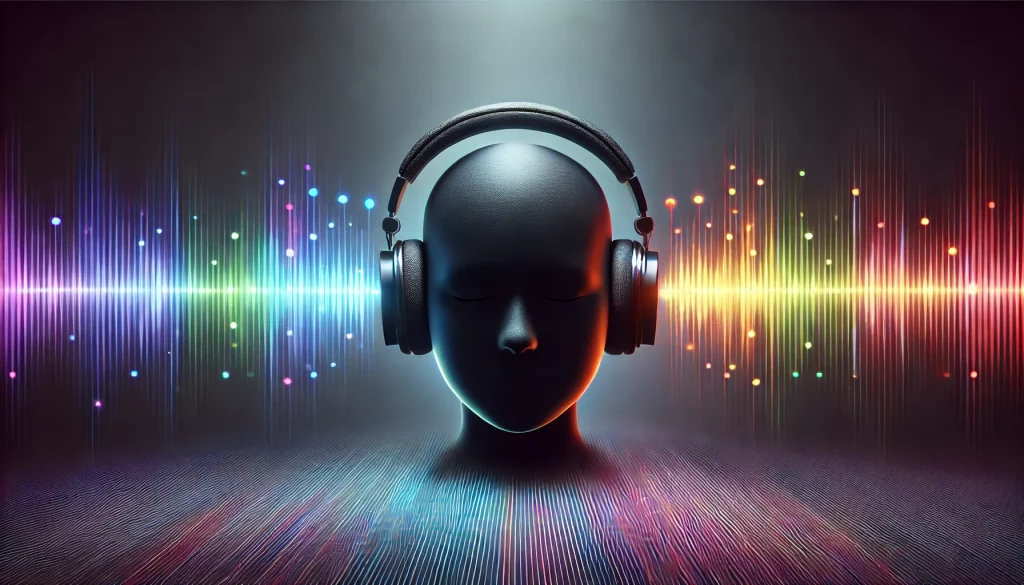
Why Sound Belongs in Brand Identity
Brand identity is often discussed in visual terms. Logos, color palettes, typography, and photography dominate the conversation. But identity is not only what people see; it is what they feel and remember. Sound adds an emotional and sensory dimension that visuals alone cannot achieve.

Sound can express tone, personality, and intent in a single moment. It is immediate and emotional, connecting with audiences faster than any visual cue. For brands that want to be recognized and remembered, sound is not an accessory. It is one of the most powerful elements of brand identity design.
What Is Brand Identity Design
Brand identity design is the process of defining and expressing who a brand is through consistent creative elements. These elements include the visual, verbal, and now increasingly, the sonic components that shape perception.
A complete brand identity system communicates values, emotion, and character across every platform. It ensures that no matter where an audience encounters a brand, on screen, in store, or in sound, it feels familiar and intentional.
Sound extends this system beyond sight. It introduces a new dimension of recognition that reinforces how a brand looks, speaks, and behaves.
The Core Elements of Brand Identity
Every strong identity is built on a clear and unified set of design elements. These elements work together to create consistency and recognition.
Visual Elements
- Logo and mark systems
- Color palette
- Typography and layout
- Imagery and motion style
Verbal Elements
- Brand name
- Tagline
- Tone of voice
- Messaging and storytelling
Sonic Elements
- Sonic logo or sound mark
- Music and brand themes
- UI and product sounds
- Environmental and experiential soundscapes
When sound is intentionally designed, it strengthens the impact of every other identity element.
How Sound Supports Visual Identity
Sound reinforces visuals by translating brand personality into emotion. A color palette might communicate energy through bold reds or calm through soft blues, but a sound can make that emotion tangible.
For example, a luxury brand might pair minimal visuals with slow, resonant tones that suggest sophistication. A playful tech company might use bright, rhythmic sounds that signal creativity. When audio and visuals work together, the brand becomes multi-sensory and memorable.
Sound also enhances rhythm and pacing in brand expression. The tempo of a jingle, the timing of UI sounds, or the sequence of a brand video can all mirror the movement and structure of visual design.
Emotional Connection Through Sound
The human brain processes sound faster than visuals. It also links sound directly to memory and emotion. This means that sonic identity can create recognition even when the logo is not visible.

A familiar sound can trigger immediate association. The soft tone of a startup sound, the chime of a notification, or a few notes in an advertisement can instantly remind audiences of a brand’s values and personality.
Emotionally, sound communicates authenticity. It makes a brand feel human. When designed with care, it creates warmth and trust. When neglected, it creates distance.
Brands that use sound well understand that it is not just about music or effects. It is about feeling.
Sound as a Strategic Element of Design
Sonic branding is not about adding music to a campaign. It is a structured design process grounded in psychology, storytelling, and brand strategy.
A strategic approach to sound includes:
- Defining purpose – Clarifying what emotions and associations the brand wants to evoke.
- Understanding audience – Researching how sound affects target demographics and cultural contexts.
- Creating sonic identity – Composing a palette of sounds that represent the brand’s character and tone.
- Testing perception – Evaluating how audiences interpret and recall sonic elements.
- Integrating consistently – Applying sound across campaigns, products, and environments.
When sound is developed through the same strategic lens as design and messaging, it strengthens brand equity rather than existing as decoration.
Case Studies: Brands That Use Sound Effectively
Mastercard
Mastercard developed a global sonic identity to unify its brand across languages and regions. The melody is recognizable within seconds and adaptable across cultures. This sound reinforces trust, accessibility, and continuity.
Netflix
The simple “ta-dum” heard at the start of every show has become one of the most recognizable sounds in entertainment. It sets a tone of anticipation and signals a consistent experience no matter what content follows.
Intel
The five-note Intel sound communicates innovation and reliability. It is used consistently across advertising, product launches, and digital spaces. It is minimal yet distinctive, and has remained relevant for decades.
Each of these brands treats sound as a core brand identity element, not an afterthought. The result is recognition that transcends visuals.
Integrating Sound Into Brand Identity Design
1. Start With Brand Personality
Every sound decision should stem from who the brand is. A friendly, accessible brand will not sound the same as a premium or avant-garde one. Define traits like energy, tone, and emotion, then translate those qualities into sound.
2. Develop a Sonic Palette
A sonic palette functions like a color palette for the ears. It includes the tones, instruments, tempos, and textures that define a brand’s audio world. This palette ensures that every sound, from ad music to app notifications, feels cohesive.
3. Design for Versatility
A good sonic identity works in multiple contexts—advertising, digital interfaces, events, and retail. Adaptability ensures the brand sounds consistent without becoming repetitive.
4. Keep It Simple and Memorable
The strongest sonic identities are short and distinctive. Overly complex compositions are harder to recall. Aim for clarity and emotional resonance.
5. Sync Audio With Motion and Timing
When sound and motion align, the brand feels intentional and refined. This is especially important in video content, where rhythm and pacing define tone.
6. Test, Listen, and Refine
Sound perception varies across cultures and playback systems. Test your sonic elements with diverse audiences and refine based on feedback. What feels inspiring in one market may feel intense in another.
Sound in the Digital Experience
As more interactions happen on screens, sound has become essential to creating presence. Digital products use sound to guide users, confirm actions, and express personality.
Notification tones, app transitions, and micro-interactions are all part of a brand’s sound identity. The wrong sound can feel intrusive. The right one becomes intuitive and satisfying.
In digital spaces, sound design also contributes to accessibility. Audio cues can assist users with visual limitations and make experiences more inclusive.
Sound and the Physical Environment
Physical spaces can also express identity through sound. Retail stores, events, and hospitality settings use curated music and environmental sound to shape atmosphere and emotion.
A luxury boutique might use slow, low-frequency soundscapes that feel calm and elegant. A fitness brand might design energetic playlists and spatial sound systems to amplify motivation. These choices influence how people move, feel, and remember the experience.
Sound creates continuity between digital and physical touchpoints. It bridges the gap between visual identity and lived experience.
Measuring the Impact of Sonic Identity
To evaluate how sound affects brand identity, measure both recognition and emotion. Surveys, focus groups, and A/B testing can reveal whether audiences connect the sound to your brand.
Performance metrics like dwell time, engagement rates, and recall studies also show how sonic branding influences attention and retention.
Qualitative feedback is equally valuable. Ask audiences how the sound makes them feel and whether it matches their perception of your brand. These insights help refine your sonic design and strengthen alignment between identity and emotion.
Common Mistakes in Sonic Branding
- Treating sound as an afterthought rather than a design system.
- Using generic stock audio that lacks distinctiveness.
- Ignoring playback environments and device differences.
- Overcomplicating sonic logos or brand themes.
- Failing to align sound with the broader brand identity elements.
Sound should always serve the same strategy as visuals and language. When it does, it becomes an asset that builds equity over time.
Why Sound Is the Future of Brand Identity Design
The rise of voice assistants, spatial audio, and AI-driven personalization has expanded how audiences experience brands. People are no longer just seeing brands—they are hearing them.
Sound will continue to grow as a defining element of identity. It offers immediacy, emotion, and immersion in ways visuals cannot match. Brands that invest in sound now will have a head start in creating recognition that lasts across platforms and generations.
Making Sound a Core Element of Your Brand Identity
Building a complete brand identity requires attention to every sense. Sound connects those senses together and brings identity to life.
CMoore Sound helps brands design sonic systems that integrate seamlessly with visual and verbal identity. From sonic logos to full auditory environments, we create experiences that are authentic, consistent, and emotionally powerful. Want your brand to be seen, felt, and heard? We can help you make it happen.