As brands embrace sonic branding and sound design for their products, is the world becoming louder?
H4 Left-Indented Headline
This is some example post content. Lorem ipsum dolor sit amet, consectetuer adipiscing elit. Aenean commodo ligula eget dolor. Aenean massa. Cum sociis natoque penatibus et magnis dis parturient montes, nascetur ridiculus mus. Donec quam felis, ultricies nec, pellentesque eu, pretium quis, sem. Nulla consequat massa quis enim. Donec pede justo, fringilla vel, aliquet nec, vulputate eget, arcu. In enim justo, rhoncus ut, imperdiet a, venenatis vitae, justo. Nullam dictum felis eu pede mollis pretium. Integer tincidunt. Cras dapibus. Vivamus elementum semper nisi. Aenean vulputate eleifend tellus.
H4 Left-Indented Headline
Aenean leo ligula, porttitor eu, consequat vitae, eleifend ac, enim. Aliquam lorem ante, dapibus in, viverra quis, feugiat a, tellus. Phasellus viverra nulla ut metus varius laoreet. Quisque rutrum. Aenean imperdiet. Etiam ultricies nisi vel augue. Curabitur ullamcorper ultricies nisi. Nam eget dui. Etiam rhoncus. Maecenas tempus, tellus eget condimentum rhoncus, sem quam semper libero, sit amet adipiscing sem neque sed ipsum. Nam quam nunc, blandit vel, luctus pulvinar, hendrerit id, lorem. Maecenas nec odio et ante tincidunt tempus. Donec vitae sapien ut libero venenatis faucibus. Nullam quis ante. Etiam sit amet orci eget eros faucibus tincidunt. Duis leo. Sed fringilla mauris sit amet nibh.
As brands embrace sonic branding and sound design for their products, is the world becoming louder?
H4 Left-Indented Headline
This is some example post content. Lorem ipsum dolor sit amet, consectetuer adipiscing elit. Aenean commodo ligula eget dolor. Aenean massa. Cum sociis natoque penatibus et magnis dis parturient montes, nascetur ridiculus mus. Donec quam felis, ultricies nec, pellentesque eu, pretium quis, sem. Nulla consequat massa quis enim. Donec pede justo, fringilla vel, aliquet nec, vulputate eget, arcu. In enim justo, rhoncus ut, imperdiet a, venenatis vitae, justo. Nullam dictum felis eu pede mollis pretium. Integer tincidunt. Cras dapibus. Vivamus elementum semper nisi. Aenean vulputate eleifend tellus.
H4 Left-Indented Headline
Aenean leo ligula, porttitor eu, consequat vitae, eleifend ac, enim. Aliquam lorem ante, dapibus in, viverra quis, feugiat a, tellus. Phasellus viverra nulla ut metus varius laoreet. Quisque rutrum. Aenean imperdiet. Etiam ultricies nisi vel augue. Curabitur ullamcorper ultricies nisi. Nam eget dui. Etiam rhoncus. Maecenas tempus, tellus eget condimentum rhoncus, sem quam semper libero, sit amet adipiscing sem neque sed ipsum. Nam quam nunc, blandit vel, luctus pulvinar, hendrerit id, lorem. Maecenas nec odio et ante tincidunt tempus. Donec vitae sapien ut libero venenatis faucibus. Nullam quis ante. Etiam sit amet orci eget eros faucibus tincidunt. Duis leo. Sed fringilla mauris sit amet nibh.
We had the opportunity to sit down and chat with Adobe on what good audio user experiences should sound like:
Follow the link for the full read: https://xd.adobe.com/ideas/perspectives/wireframe-podcast/ui-sound-design-audio-feedback-enhances-ux-episode-10/
The Guardian Interview on Automotive Sound
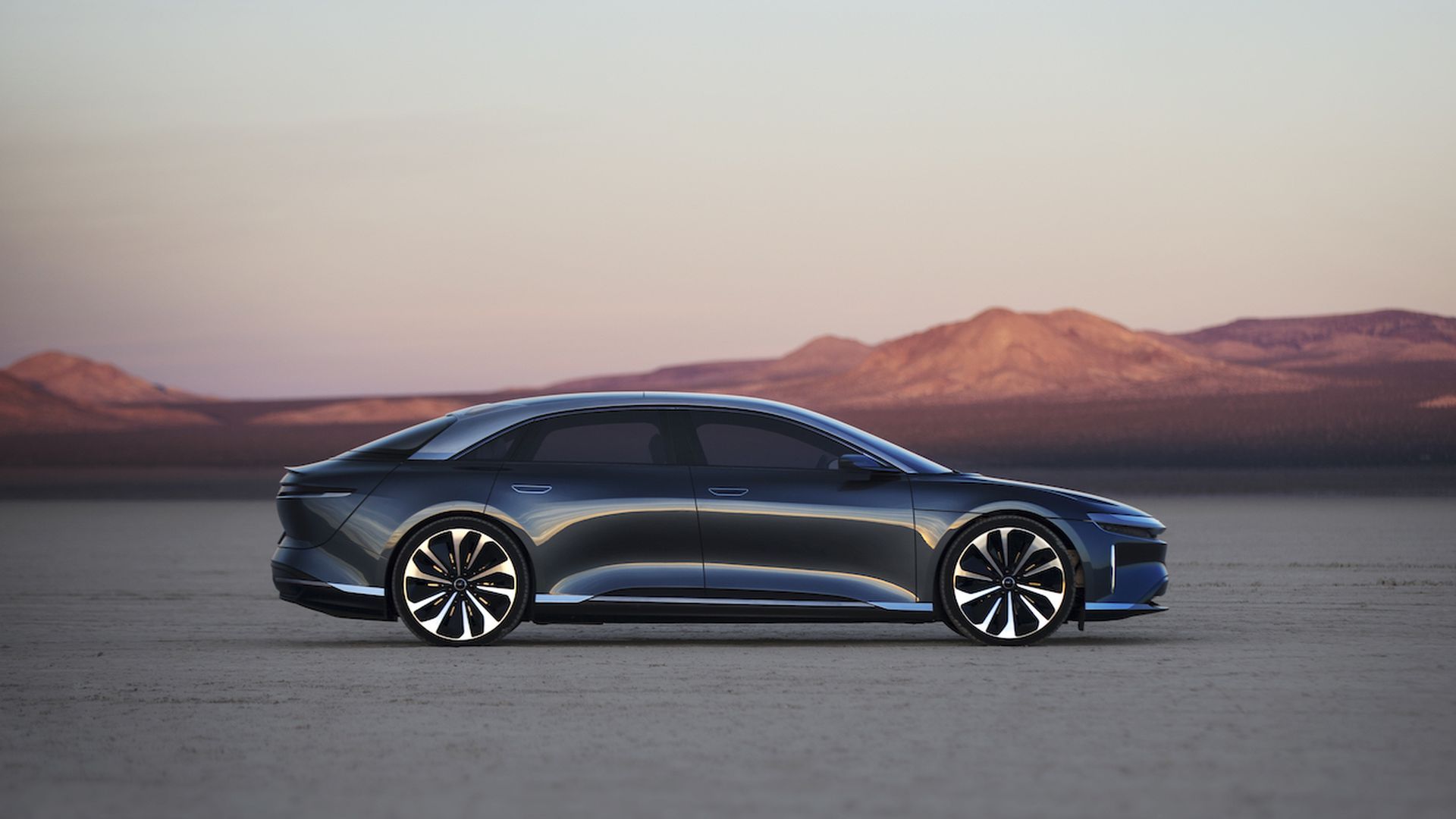
When The Guardian asked the question, “How should electric vehicles sound?” it showed that the conversation around EV sound design is no longer limited to engineers and regulators. It is now part of the cultural dialogue. As vehicles transition from roaring combustion engines to near-silent electric motors, sound becomes both a safety necessity and a branding opportunity.
How Should Electric Vehicles Sound? A Sound Designer’s Perspective
For a sound designer, this is not just an interesting debate. It is a fundamental design challenge that will shape the future of mobility.
The Dual Purpose of EV Sound
Unlike traditional cars, electric vehicles are nearly silent at low speeds. On one hand, this silence creates a serene driving experience. On the other, it poses serious safety concerns for pedestrians, cyclists, and especially people who are visually impaired. That is why regulations now require EVs to emit artificial sounds at low speeds.
But safety is only half of the equation. The other half is experience. Sound can define how a vehicle feels to drive, how it reflects its brand, and how it connects emotionally with its owner. The same way an engine’s growl once signaled power, a carefully designed EV soundscape can signal innovation, calm, or futuristic elegance.
Branding Through Sound
Brands have always understood the power of visual identity. Logos, typefaces, and colors are carefully managed. Audio is just as important. Consider how recognizable the Netflix “ta-dum” or the Apple startup chime has become. Those two seconds of sound carry massive cultural weight.
For EV manufacturers, the sounds of acceleration, startup, and even in-cabin chimes are opportunities to build a unique sonic signature. Imagine a brand where the acceleration tone subtly reflects its sustainability mission with a sound inspired by nature. Contrast that with a brand that emphasizes speed and performance through sharper, more synthetic textures.
Sound is a brand asset. It is memory, identity, and emotion all wrapped in one.
Design Considerations for EV Sound
Designing sound for electric vehicles is not as simple as layering effects on top of silence. It is a process that blends art, psychology, and acoustics. Some of the most important considerations include:
Cultural context: Sounds are interpreted differently across regions. What feels calming in one culture may feel unsettling in another.
Emotional resonance: Should the soundscape lean synthetic, natural, or even human? A flute tone evokes softness and tradition. A synthesized hum conveys futurism.
User experience integration: The sound cannot be an afterthought. It must blend seamlessly into the UX of driving, from startup tones to wayfinding alerts.
Practicality: Sounds need to be noticeable without being intrusive. A balance between awareness and comfort is essential.
The Guardian article explored ideas like flutes, synths, and even the human voice. Each suggestion raises an important truth: the sound of EVs is not just a technical detail. It is a creative decision that impacts brand, culture, and safety all at once.
Our Take on EV Sound
Too often, the conversation stops at safety. Vehicles must alert pedestrians, but the bigger opportunity is to create a holistic sonic ecosystem that strengthens a brand at every touchpoint.
As sound designers, we view EV sound not as a regulatory requirement but as a canvas. It is a space where a company can differentiate, connect emotionally, and define the feeling of its product. Designing these sounds requires both creativity and restraint. The audio must be unique, but it also has to fade into the background of everyday driving in a natural way.
When approached thoughtfully, an EV’s soundscape can become as iconic as its silhouette. It can become a defining feature of its brand.
Designing the Future of EV Sound
The Guardian asked, “How should EVs sound?” The truth is, there is no single answer. Every brand deserves its own approach. A luxury EV should not sound like a performance EV. A sustainability-focused car should not sound like a technology-driven one.
The question is not just what electric vehicles should sound like, but how sound can become a deliberate part of the brand experience.
As the world transitions to electric mobility, we have a chance to design the future of automotive sound with intention. Done right, EV soundscapes will make streets safer, enrich driver experiences, and give brands new ways to connect.
At Connor Moore Sound, we specialize in creating audio identities that go beyond function. We build sound as a brand asset. If your company is exploring electric mobility or wants to design a sonic signature that stands out, let’s talk.
Sound is an integral component of the product experience, and if designed through the brand lens, it can also be used across product marketing to bring commercials to life and tie directly back to the product experience.
Sound design has the power to create a tangible bond between consumers and their favorite brands. By leveraging the psychology of sound, marketers can craft experiences that evoke nostalgia, comfort, urgency, or excitement.
Integrate sound seamlessly into your branding strategy by taking a closer look at the role of sound design in product marketing.
Building Emotional Connections and Brand Affinity
Sound has a profound capacity to elicit emotional responses. In product marketing, this means the right sound can tap into a customer’s deep-seated desires and memories. The right sound design ensures your customers feel a positive response anytime they power on their devices or receive a notification. If you carry these sounds across your marketing campaigns, they can boost recall and affinity outside of just the product experience. This feeling can echo through your marketing to help create a unique and iconic brand.
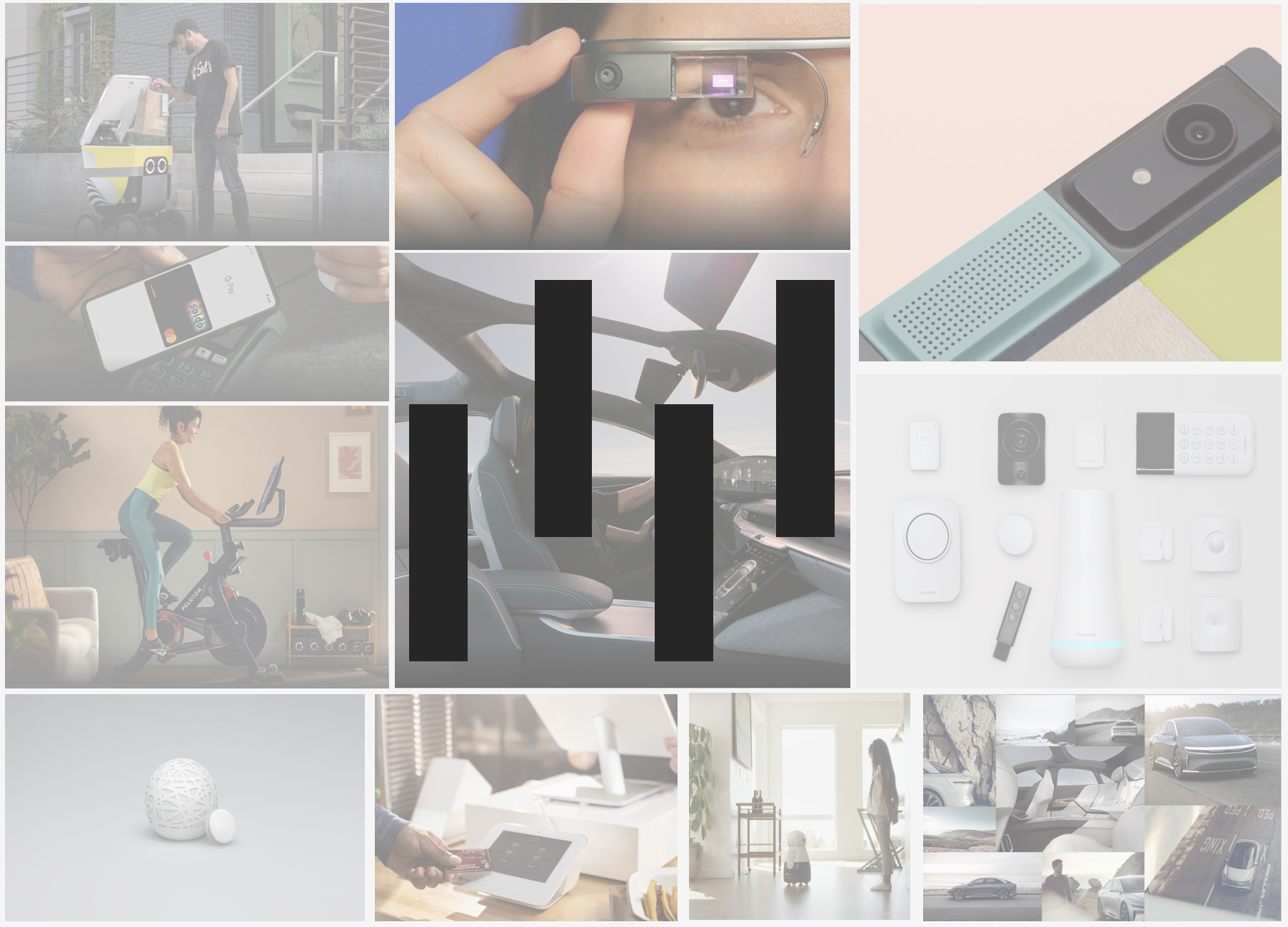
For example, at CMoore Sound, we worked with Peloton to create their product sound ecosystem and startup sound, which became a sound logo for the whole brand. Sound design is incredibly versatile and paints a vivid picture for your customers. Our experts in UX sound design work with brands to find the perfect soundscape for their products because it makes a profound difference. Not only does it make products sound better, but it also impacts how brands can build affinity with consumers.
Enhancing the User Experience and Powerful Storytelling
Well-designed product sounds are primarily created to increase functionality and boost accessibility within the product experience, but they’re also an opportunity to add delight and help tell the brand story.
Whether it’s the evocative soundscapes of luxury car brands such as Lucid Motors or the acoustic soundscape of a Google device, a product’s sound design plays a key role in enhancing functionality and supporting brand.
A consistent and distinct audio presence is key to not only being heard but also remembered. When synchronized with the visual components of a campaign, sound can serve as the glue that binds the narrative together, amplifying the emotional impact. A key role of sound design in product marketing is showcasing your brand and product story, ensuring your sonic branding becomes a beacon of reliability to customers.
Showcasing Your Values
Strategic sound design should be an integral part of your brand and product experience, supporting your brand values. This allows you to tailor your storytelling to make the right impression that is cohesive with your ideal brand positioning.
Using stock sounds in a product or advertisement alienates more than it engages and can disassociate people from your curated brand experience. Instead, you should aim to use the sounds consumers have come to know across marketing to build trust and affinity for your product and brand.
So, how do you strike the perfect balance? While it’s crucial to be audible, do so with a level of subtleness and alignment with your brand’s values. Creating a successful sound design plan requires being true to the message of your brand, whether your sound design prioritizes a feeling of luxury, innovation, excitement, or something else entirely. Reinvent your product sound design today to refine the user experience and start engaging with more customers.
Sound design is integral to ensuring products are accessible to a massive range of people with unique needs. We see sound as a tool in the multimodal tool kit that you can use alongside visuals and haptics to create more informative, intentional experiences that can be beneficial to a large range of users.
Through intentional sound design, products can become more inclusive, providing auditory cues that guide users in their interaction with technology. This approach enhances usability for people with specific auditory, visual, or neurodivergent needs. It also improves overall user experience by offering alternative ways to receive information. Ensuring sound design is accessible involves understanding the diverse needs of users and implementing solutions that address these needs. Find out the essential ways sound can make products more accessible so that you can tailor your design to serve as many customers as possible.
Establishing an Accessible Identity
Sound design has evolved to encompass a broader spectrum of auditory experiences to achieve true inclusivity, utilizing a variety of pitches, intensities, instrumentation, and delivery methods to communicate with all users. With a more intentional approach, sound experiences should be specifically designed for each interaction and pleasant enough to not distract from the product experience. Most importantly, these sounds should reflect your brand and the emotions you want to evoke in the user.
Our case study with Hello Sense shows how we created their sound identity while building an ecosystem of sound that supports a range of customers. Creating alarms that start gently with minimal volume or complexity softly wakes light sleepers. As the alarms develop over time, they become more musical and complex to wake heavy sleepers, providing a spectrum of design that supports diverse needs.
Multimodal Design Systems
Providing feedback through multiple sensory channels can enhance accessibility for users with different needs. Certain interactions are best presented through visuals, haptics, or sound—sometimes a combination of two or three of these. Get a strong understanding of the context of the situation and use the medium that is most effective to notify or alert users so that it’s not overly weighted in sound.
Sensory-Friendly Design
Sound design should consider users with sensory sensitivities. Avoiding sudden, loud, or jarring sounds can make products more accessible to users with sensory-processing disorders or autism-spectrum disorders. Rather than using high-pitched, percussive tones, consider adding a light sweep at the beginning of sounds that ease into the peak of the sound so as not to cause alarm or fatigue.
Clear and Consistent Design
Consistency in sound design is essential for users with neurodivergent conditions such as ADHD or autism, and it also benefits the brand in terms of recognition and recall. Using clear, consistent, and predictable auditory cues helps users understand how the product works and reduces cognitive load.
User Customization
Offering users the ability to customize sound settings according to their preferences can also enhance accessibility. This might include volume control, the ability to turn off specific sounds, or the option to replace default sounds with ones that are more easily distinguishable or preferable to the user and their specific needs.
Overall, sound design can play a crucial role in making product experiences more accessible by providing additional sensory information and feedback that complements visual interfaces, making them more inclusive and usable for a wider range of users.
Expanding Your Testing Phase
The ways that sound makes products more accessible may seem straightforward at first, but you can measure your success during the testing phase. It’s critical to test products for many reasons, and one should be determining how accessible your product is.
Put your product in the hands of a range of users with different needs so that you can evaluate their experience. These evaluations offer invaluable feedback, highlighting areas where sound design can evolve from merely accessible to deeply intuitive and inclusive. Leveraging real human experiences ensures that every alert, notification, or chime genuinely enhances usability for everyone.
Start working with an audio expert today to develop products that hit your audience’s ears perfectly. At CMoore Sound, our sound design agency develops a wide range of user experiences across many products using carefully curated audio cues. Work with an expert who understands your auditory needs and can bring your vision of an accessible, quality product to life.