Sound has always been a part of the product experience. Whether it be the ringing of a telephone or the dial on an old telephone, sound has served a functional purpose of grabbing a users attention or reinforcing an action. As technology has advanced, engineers have been able to get rid of most mechanical noise made by products and the alerts and sounds that were once purely functional are now more curated and customized to the product or brand. What was once a really loud buzzer to signal that your laundry was dry can now be a much softer sound that won’t  cause stress or annoyance. The ringing of phones and alarms once sounded the same and tended to be extremely loud and obnoxious for their purely functional purpose, but now can be customized to the user or the brand. Even car engine sounds are changing with the mass adoption of EV’s. As EV’s become more prevalent, the soundscape around traffic is changing and has the opportunity to become more unique and potentially/hopefully quieter. Across all of these different products, apps and experiences with AR, VR or XR provide an opportunity to curate our soundscapes in a more intentional way. 

Over the last several years, the interest and demand of using sound as a more strategic component to branding has increased dramatically. In the past, sound branding was just seen in the form of the sonic logo. Today, brands are starting to understand the value of using sound branding in the form of ux sound for their products, apps and experiences. As this growth in demand is happening, I’ve become more and more aware of how important it is for sound to be used judiciously in these experiences. As new products, apps and experiences enter the marketplace, the natural conclusion is to think that our soundscapes will get dramatically louder. This could very well prove to be true if not approached correctly and this is why it is more important now than ever for brands to be thinking strategically about curating the sound for these experiences. So, what should designers be considering in order to create more effective sound experiences that won’t add to the noise? 

Less is Often More

People are very sensitive to sound — the last thing you want to do in a product experience is overuse sound. This tends to create an annoying user experience that increases listener fatigue and actually makes the experience less effective. Using sound in products needs to be a very strategic process where guardrails are set for best practices that help to guide how, when and where sound will be used. Sound is the spice in the mix that should add a layer of depth, not call too much attention to itself.

Brand Opportunity

Creating sound for products, apps and experiences is all about striking a balance between enhancing functionality while boosting brand awareness. Get a strong understanding of the brand and how it wants to express itself while also researching the products and brands in the competitive market to develop ideas on how you can differentiate and stand out. What are the brand or design principles? What is the roadmap for future products and how can you harmonize the experiences? Try to find key moments that you can lean on in order to align the visual and sound experience to enhance the overall brand narrative.

Boost Accessibility

Sound can be added as a tool in the larger multi modal toolkit to support visuals and haptics in a user experience. Adding sound that is rooted in psychoacoustics and music theory will help in creating a more informative and functional experience to a range of users. The key with this is to not overuse sound, but use sparingly alongside visual or haptic cues to not cause fatigue or confusion.

Spectrum of Design

Different interactions in a user experience require different types of attention and should be structured and designed that way. In the automotive space, a seatbelt chime is a very different type of alert than a forward collision warning or a welcome sound. These should all be designed specific to the intent of the communication on a spectrum that is specifically created for the experience being designed.

Build in Flexibility

When creating sound for a product, the team should consider how the sound experience will translate outside of this specific context. Hopefully, the brand will be able to use some of these sounds for marketing purposes for television and digital content. If this is the case, designers should have ideas on how ux sounds can be more dynamic and robust for marketing efforts. Some brands have multiple products with different speakers and contexts that sounds need to scale to – Designers and brands need to consider those playback systems and ask the question of how can they maintain a quality and cohesion across multiple touchpoints and products.

Understand the Capabilities

Every product experience is unique with different environments they live in and different speakers or playback systems. It’s very important to understand the context of the environment and speaker so you can design specifically for the limitations. Get a speaker spec from the brand as soon as possible and make sure to begin design with those frequencies as a guide. Lastly, try to get your design into a build of the product or app early in the design process to see how things are working on the device so you can get ahead of iterating for real life experience.

Sonic Testing

There are typically many stakeholders involved in the design process and getting them on board with the creative concepts is obviously an important part of the process, but you should also consider testing with a third party to get an objective review of how sounds are being perceived at scale. Having a larger test group of varying demographics can help to show how the sounds are communicating certain brand principles while also ensuring that the sounds are communicating the correct intent from a functionality perspective.
The Dos and Don’ts of User Experience Sound Design

Visuals have long taken center stage, while sound remains an oft-overlooked design feature in the vast landscape of user experience (UX) design. Just as a well-scored movie soundtrack can raise emotion and set context in a film, sound has a profound impact on how users interact with digital platforms.

The user experience should be satisfying and intuitive for customers, and that requires a well-crafted auditory strategy to achieve. User experience sound design, or UX audio, is the practice of enhancing interactions in digital products and interfaces through auditory elements.

It’s not just about adding sounds; it’s about understanding how those sounds influence user behavior, engagement, and emotional response. A subtle notification, a crisp, or muted, button click, or a lush startup sequence—these sounds can turn a transactional experience into a multisensory engagement.

This deep dive into the world of UX sound design is for the designers and creative minds crafting journeys for the digital consumer. Take a closer look at the dos and don’ts of user experience sound design to craft the ideal user experience for your audience.

The Dos of User Experience Sound Design

The small details in a product experience matter. These tiny nuances affect the perceived value of your products and thus your brand. Your sound design will influence how users feel about your product, with some designs being obnoxious and annoying, while others seamlessly guide customers through their experience. You can use a variety of strategies to elevate the user experience when it comes to incorporating sound. Let’s assess the critical things you must do to accomplish the perfect UX design.

Do Prioritize Sonic Transparency and Consistency

The best sound experiences are often those that you barely notice. UX sound design should blend so seamlessly with the product you pair it with that it feels effortless. These sounds exist to inform the user, not annoy them. Sonic elements should also have a common through line of tonality, key signature and timbre throughout the product experience, providing auditory cues that you can easily recognize and suit the brand’s overarching persona.

Consistency and cohesion help to define, or support, the overarching brand sound and can also boost functionality. Once users begin to be acquainted with your overall tonal palette, they can at times operate across multiple apps while still understanding your product or apps language.

Do Use Sound as an Enhancer, Not a Distraction

Beyond making sure it’s not obnoxious, you should make sure your UX sound design is intentionally crafted to the interaction. Consider the context of the ux and design on a spectrum of more branded vs more functional. Create buckets that show how the sounds scale across this spectrum in order to create an enhanced audio user experience.

For example, a fast four note sequence in the high pitch range is ideal for a more important or severe alert whereas a warm, soft, melodic hook might be better for more branded moment such as a product startup. Think about how your audience is interacting with the product or app when they hear the sound design.

The aim is to complement the visual elements, not compete with them and certainly to not fatigue a user. Use sound where it adds value, such as when confirming an action, alerting to a change in status, or providing feedback. An engaging interaction sound can be just as satisfying as a smooth animation or a crisp typeface.

Do Understand The Device Speaker and Context

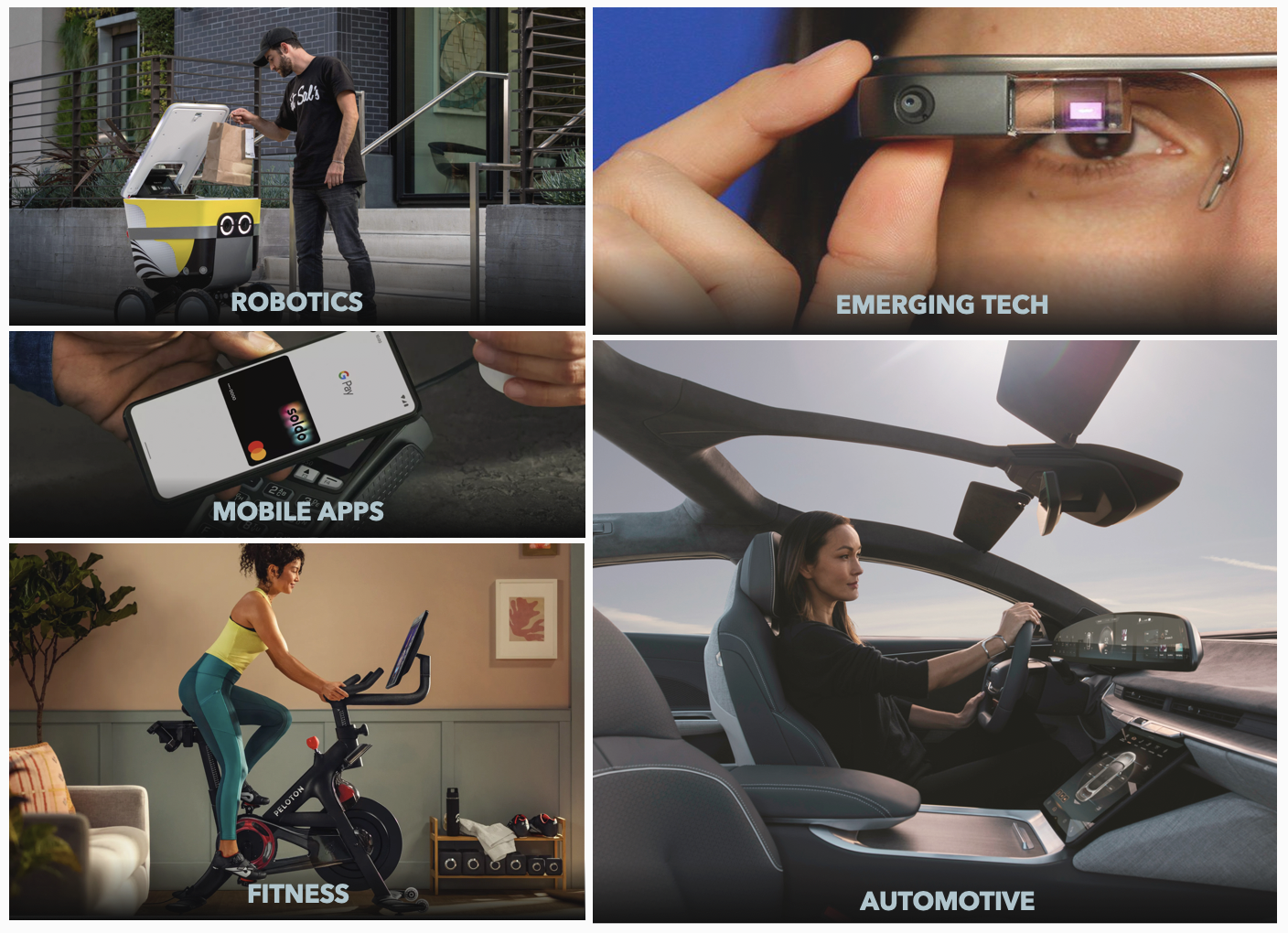
We design for a range of products, from mobile apps to cars and robotics. Each of these examples use a wide range of different speakers in unique environments which a designer must fully understand before getting into design.

A sound experience for a mobile app will largely live in the mid to high range frequencies due to its smaller speaker profile whereas designing an audio user experience for in vehicle has the ability to use the full in car system. When designing alerts and notifications for in vehicle, you have the full frequency spectrum to design in the lower pitch range and use sound that people can feel sometimes more than hear.

The Don’ts of User Experience Sound Design

While integrating sound in UX can be powerful, it can also fall flat if you don’t handle it with care. You may make many common missteps when crafting your UX sound design, but we can help you avoid those right now. Examine the don’ts of user experience sound design so you can account for them in every step of your UX strategy.

Don’t Create Noise Pollution

“Simplicity is key,” is one phrase you should always have in mind when implementing the dos and don’ts of user experience sound design. An overly complex soundscape can quickly become a user’s main annoyance. Keep it simple when creating sound for UX. Avoid cluttering the experience with too many overlapping or discordant sounds.

Don’t Overlook Accessibility

Don’t overlook how expansive your audience is, and the additional features they will need to enjoy your product. For instance, not all users will appreciate your auditory innovations. Ensure your sound design is accessible to the hard of hearing, low vision or neurodivergent users (More on accessibility design HERE). Sometimes creating different sound sets for these users is justified or consider using alternatives such as vibration or visual indicators to reduce cognitive load.

Don’t Forget To Test

As mentioned earlier, sound can behave unexpectedly across different devices and auditory conditions. What works in a quiet studio space might not be effective in a bustling cafe. Thus, rigorous testing is essential to validate the usability and effectiveness of sound elements in varying environments on different devices.

Testing is a key part of the quality control process because it will help you refine your UX design. Creating a versatile sound design strategy for your user experience requires the help of experienced auditory experts who can make precise but powerful adjustments to get it right.

For example, at CMoore Sound, our product sound design relies on factors such as branding, accessibility, and functionality. While it may seem complicated to balance these factors across UX design, working with audio experts ensures you can translate your brand into a quality user experience on medical devices, social apps, and more.

Implement UX Sound Design Today

Understanding range and context is pivotal. Textual elements are usually spoken words or ultra-clear audio tones, often in the mid-range, creating informative sounds. Often, sounds coexist with a visual animation, ensuring a multi-sensory cue that’s hard to miss.

A seamless, well-implemented sound design strategy can significantly enhance user engagement, leading to higher retention and conversion rates. You create a more memorable and connected experience, especially for brands with strong audio recognition signals by fostering a brand’s sonic identity.

The Role of Audio in Experiential Marketing

Experiential marketing provides a direct, immersive way for brands to connect with their target audience. Elevating your experiential marketing strategy requires focusing on brand recognition and multisensory experiences. Let’s dig deeper into the role of audio in experiential marketing to set your strategy on the right path now.

Immersion for the Audience

Marketers are crafting campaigns that go beyond mere transaction, aiming to captivate the consumer’s senses, emotions, and intellect, with immersive brand experiences as the centerpiece. This marks a pivotal shift to a more holistic sensory approach, where every aspect of consumer interaction bears the brand’s indelible imprint.

For instance, VR is a common example of modern experiential marketing—it goes beyond being a TV ad and becomes a tactile experience. Audio grounds these experiences in an immersive environment, such as the sound effects that bring a virtual reality showcase to life. Likewise, the sounds of the products that each member of your target audience interacts with bring the brand to life.

The Sonic Impression

The role audio plays in experiential marketing is critical to making the right first impression. Each sound helps curate the experience’s ambience, which speaks to your brand’s overall tone.

Auditory experiences, in particular, can evoke powerful emotional responses. From the lilting whispers of luxury brands to the faster tempo’s and booming basslines that signal high-energy retail environments, sound carves identity and shapes memory.

Not only must you create the right sound cues, but you must also optimize the volume for an immersive but unobtrusive experience. Simply put, music and other audio in your experiential marketing strategy shouldn’t be obnoxiously loud. Focus on sounds that are commanding and present but aren’t loud enough to distract or annoy your potential customers.

The concept of a sonic identity is becoming as indispensable as a visual logo. Through meticulously crafted sounds, brands can assert their presence across diverse media landscapes, ensuring recognizability and fostering emotional connections with consumers. In experiential marketing, use your audio cues in tandem with carefully curated visuals to truly immerse your audience in the experience.

Letting the Brand Shine

Sound is deeply intertwined with memory, emotion, and cognition. In creating a soundscape for brands, it’s necessary to tune into the psychological underpinnings of sound. The right sound, at the right time, can subliminally nudge consumer behavior, casting impressions that last.

The “ding” of a text message, the hum of a bustling airport, or the clack of heels on marble floors—these sounds, unspoken icons of our daily existence, prime our brains for action. They set the scene, guide our focus, and influence the emotional color of the moment.

In a marketing context, this means sound is a navigator, able to steer the narrative surrounding a product or service. Create an experiential marketing plan that relies on auditory experiences that perfectly embody your brand’s values.

Taking your core values and transforming them into sound assets ensures that you can communicate with your audience without having to say anything. With the right audio, anyone using your products or watching your ads will easily understand your brand.

For example, at CMoore Sound, our experiential sound design services focus on creating a soundscape that matches your brand ethos accurately. Develop your experiential marketing strategy using the information above to start building an immersive experience that embodies your brand beautifully.

How To Create the Right Audio Logo for Your Brand

A melodic or sonic element that represents your brand is the crescendo that cements your place in a customer’s mind. The impact of your audio logo is as critical as any visual branding and has actually been proven to be more easily recalled by consumers.

Crafting the perfect audio logo is akin to penning a timeless tune that sticks in people’s heads for endless amounts of time. An audio logo is a marriage of sonic art and intentional branding that echoes long after it ends.

This guide will lead you through the harmonious process of creating and refining the auditory identity that truly reflects your brand’s essence. Evaluate this comprehensive guide to get a detailed look at how to create the right audio logo for your brand.

What Is an Audio Logo?

Let’s first break down precisely what an audio logo is and how it can be used for a brand. Audio logos, also known as sonic logos, are short, powerful sonic textures or melodies that capture the essence of your brand in a series of pleasing notes.

They form part of the multi-sensory experience that is branding, and when executed strategically, they promise an unparalleled return in brand recognition and recall. Creating a consistent audio logo ensures that your audience always knows when they’re engaging with your brand or using your products and services.

Visual branding and audio logos are formidable partners, and in a world where we can more easily share sights and sounds, an audio identity can be your most memorable trait. A pleasing audio logo ensures that if a customer hears your ads several times in a day or uses your app or product, they have a pleasing and consistent auditory experience.

Audio logos typically live at the beginning or end of an advertisement, but that’s not the only place where they can go to work for your brand. Think of the startup sound on your phone or your favorite streaming services; they create an intentionally designed sonic experience when customers engage with them. That Peloton you ride every week isn’t a silent tool; every sound that it makes is part of an audio ecosystem that creates a brand’s identity. Plus, you can develop an audio logo that’s flexible enough to fit various touchpoints and applications, such as for branding across social media, TV commercials, and radio ads.

Step 1: Research and Discovery

Before having an idea of what your audio logo should sound like, you need to do some upfront research and discovery into setting a strategic foundation that supports your brand values and principles. Taking a look at brands in the direct market as well as aspirational brands allows you to uncover best practices while making sure that your approach to creating your audio logo will be different from others. Listening closely to your competitors’ audio branding, as well as the preferences of your target audience, is essential. Study the audio tactics of companies both within and outside your industry. How do their ads ring in your head, on the radio, or on TV? Consider how they affect you and the intended audience, and try to get an understanding of what may be on- or off-brand for you before getting into creation.

Ultimately, this initial stage is all about setting a strategic foundation that builds trust with internal teams and collaborators in aligning on an agreed upon direction or objective before getting into design.

Step 2: Design and Refinement

This is where the fun really takes off. A seasoned composer or a sound design team brings invaluable artistic and technical skills to the table in crafting audio brand assets. Their role is to translate brand values and principles into sound and music in distinct ways that support how your brand wants to be perceived in the world.

In the initial round of design, you should expect to go wide in terms of how these values are expressed, with many options across a number of concept directions. These initial concepts are the starting point where the design team receives feedback from stakeholders inside the brand and the process begins to narrow through several more rounds of iteration and refinement until we get to a final few audio logo options.

Step 3: Assessing Your Logo’s Effect

Before you debut your audio logo, it should undergo testing and possible reiterations to ensure it finds its audience. As with any marketing materials, feedback comes throughout the design phase with key stakeholders, but it’s also important to consider internal testing or third-party testing to analyze audience responses either post-launch or during the design phase. Organize focus groups to gauge the immediate reaction and potential sticking power of your audio logo. This feedback can help in making tweaks before the final launch. You don’t have to stop refining your audio logo after its initial release; it can evolve and grow as your company does throughout the years.

An effective audio logo should be memorable and should capture the brand’s essence in a few sonic beats. The key here is to keep it simple and catchy. A complex audio logo that’s hard to remember can be as detrimental as a shoddy visual logo.

The audio logo must resonate with the brand’s voice, tone, and personality. A luxury brand wouldn’t use a jingle that sounds like a kids’ cartoon theme, and conversely, a children’s brand shouldn’t evoke regality and class in its audio identity.

Step 4: Balancing Your Branding

Implementing your audio logo across various marketing channels is the final step before it begins to define and distinguish your brand. The audio logo should be omnipresent without being overbearing, and it might be wise to consider variations of short-form, long-form, or different instrumental variations that suit different moods. This allows ultimate flexibility to scale your audio identity.

Monitor the impact of your audio logo on consumer perception through brand surveys and other feedback channels. Look for key metrics like brand recall and overall brand affinity.

Remember that an audio logo expands across a wide range of industries, so considering the best marketing avenues for your niche is key. For instance, at CMoore Sound, we have audio branding services available, and we’ve developed logos for brands such as State Farm, VUDU, and Peloton, to name a few. No matter the industry you’re in, you can stand out auditorily.

Creating Your Logo Today

These tips for choosing the right audio logo for your brand will help you develop a strategy that stays in the minds of your customers.

Your audio logo represents more than just an afterthought in the wider branding strategy. It’s a pivotal player with the potential to become an earworm in the minds of consumers. In the world’s continuous chorus, the right audio logo for your brand is the melody that stands out.

In your quest to find this perfect sound, consider the encompassing power of your brand’s reach, listen to your brand’s heartbeat, and develop the next landmark sound in the story of your brand. Bring your brand to an audio logo expert today so that you can start brainstorming the perfect auditory design for your company.

How To Create the Right Audio Logo for Your Brand
How Sound Design for Cars Improves Road Safety

Driving is not just about getting from point A to point B; it’s an experience that engages the senses, especially hearing. Paying attention to the sounds cars make plays a critical role in keeping everyone safe on the road while boosting immersion, brand recognition, and affinity.

Through intentional sound design, cars can communicate with us, making driving safer and more intuitive. Reflect on how sound design for cars improves road safety so you can keep your vehicles as safe as possible for drivers and pedestrians.

Enhancing Functionality and Immersion

In combination with visuals and haptics, sound can be used to make the driving experience more informative, communicative, and immersive. The revving of an engine, the tick of a turn signal, and the quick repetition of a forward collision alert guide the driver’s decision-making process and aid their reaction time.

The sudden loudness or increase in pitch of a severe warning instantly communicates critical information to the driver. On the other hand, calm, harmonious, musical tones make brand moments like a welcome sound more delightful and immersive reinforcing a brand’s values. These more immersive sounds especially come into play when we begin thinking about autonomous driving experiences. Ultimately, these acoustic cues, whether functional or immersive, serve as an extension of the senses.

A well-designed sound environment reduces visual distractions, preventing sensory overload and improving a driver’s ability to focus on the act of driving. It also ensures the vehicle’s audio cues are distinct enough to be communicative about the intention of the alert or interaction.

Improving Pedestrian Safety

Beyond the confines of the cabin, vehicle sounds reach pedestrians and cyclists and provide information necessary to be able to react. The hum of an engine must be able to alert nearby pedestrians to incoming cars. As EV’s are becoming more prominent, there is an even bigger need for engine sounds to be intentionally designed for safety because EV’s are naturally quiet. In fact, the National Highway Traffic Safety Administration has passed a law mandating specific requirements for car manufacturers to emit sounds for their EV engine tones. These newer engine tones, called Acoustic Vehicle Alerting Systems (aka AVAS), make pedestrians aware of the otherwise quiet rumble of modern EVs.

With the introduction of AVAS sounds for automotive brands, it offers an opportunity to rethink the soundscape of the future that increases pedestrian safety while also being reflective of their brand. These intentionally designed sounds can project harmonious textures that serve as warnings to those in the vicinity without shattering the peace of the vehicle’s interior or polluting our natural soundscapes.

Meeting Manufacturer Needs

The automotive industry resonates with innovation, especially in the realm of sound design. The key to using sound design in cars for improving road safety is working with professional sound designers who can bring your product to life.

How long a sound lasts, how pleasant it sounds, how loud it is, or what pitch range it is in—these are very strategically designed to fit the need of an interaction. Work with sound designers who have experience in the automotive industry to ensure your needs are met.

The integration of purposeful sound design in vehicles offers benefits beyond acoustics. It melds brand and functionality in ways that enhance the driving experience. Talk to professional sound designers today to make the best audio decisions for your vehicles. At CMoore Sound, our team excels in experiential sound design and other auditory solutions that ensure products and brands stand out and have done so with the likes of Lucid Motors, Tesla, and Waymo.