How To Develop a Successful Audio Strategy for Your Brand

Developing a successful audio brand strategy means creating a comprehensive approach that aligns with your brand identity, values, target audience, and overall marketing objectives. Sound, with its profound ability to charm, motivate, and console, is a primal communicative force. This is one of the biggest reasons that companies imbue their brands with identifiable sound logos, UX sounds, UI sounds, and other auditory markers. 

Learning how to develop a successful audio strategy for your brand is critical. But where do you start? Here’s a step-by-step guide to creating an effective audio brand strategy. 

Identify and Translate Your Brand Values

Most brands have a set of brand values or principles that serve as a guiding light for how they would like to be perceived in the world. The brand mission, vision, values, or personality are typically a driving force that dictates how a brand comes to life visually and verbally, but what about sonically? Brands need to also consider how sound can support these values or principles to align with the brand in a holistic way.

From excitement to serenity, you can channel many emotions with the right audio strategy. Think about the characteristics and qualities that define your brand and how you can translate them into instrumentation, melody, or rhythm to bring your brand to life sonically.

Research the Competitive Audio Landscape

In order to differentiate your brand from others, you must first understand the direct marketplace and how competitors are using sound. From here, you can make strategic decisions on how you craft your sounds for specific touchpoints within the brand ecosystem. It’s also valuable to understand other markets and how they use sound to inform best practices that will help guide you in the design process.

Understand Where Audio Can Make an Impact

Every brand has certain touchpoints where audio can play a role and make an impact within the brand ecosystem. It’s important to identify these touchpoints and channels where your audience engages with audio content the most, whether through an app, advertisements, or experiences.

If your brand is really driven by your products, it might be best to forgo a sound logo and, instead, index in-product sounds that support the user experience. These sounds can be very impactful inside the product experience and can be leveraged in marketing materials and advertisements to drive recall and encourage direct connection to your products.

Create and Refine Your Sonic Identity

There are many different types of assets that can make up your sonic identity, and it’s imperative that your sonic identity reflects your brand values and resonates with your target audience. Whether for products and apps, brand music, or experiential sound for larger-scale events and conferences, your sound must support your company’s values for it to resonate at the brand level.

It’s not always easy to craft iconic brand music, sound logos, or UX sounds, which is why working with an expert through this process is invaluable. Sonic branding agencies help companies create branded auditory experiences that beautifully market and symbolize their brands. Partner with a reliable agency that makes it easy to communicate your vision to an expert who will weave your ideas into the perfect sound for any touchpoint.

Work with experienced sound designers and composers to create custom audio assets that are unique to your brand and evoke the desired emotional responses. Ensure consistency in your sonic identity across different touchpoints and channels to reinforce brand recognition and recall.

Each audio format—music, sound logos, UX sounds, or UI sounds—offers different emotive potentials. Decide which will be the lead in your brand’s audio narrative and which harmonizes best in the background. You can use each of these sounds to bring your brand to life.

A jumble of sounds is merely noise, but a consistent audio identity across campaigns and channels becomes a symphony.

Scale Audio Across Touchpoints

In order to make an impact on a holistic brand level, your audio strategy must resonate across touchpoints and channels, each working in a connected way to showcase your brand and create a great user experience for the consumer. Your physical and digital touchpoints are essential in modern marketing, each ready to carry your brand’s audio narrative further.

Implement audio seamlessly into these touchpoints to create a cohesive and immersive brand experience that can also be flexible enough to support the medium. Consider the user experience and context when implementing audio and adjust certain sound elements to make sure it adds value and enhances engagement without becoming intrusive or distracting.

Measure and Iterate

Understanding the information above will help you build a sonic identity that brings your brand to life across a wide range of platforms. However, it’s also important to test your audio to continue adapting for the future.

We work with third-party testing partners that test audio assets to make sure they are hitting the mark for brand fit and functionality. This is a step that is often missed but is crucial in getting an objective view of how your sonic brand universe is performing in the world. Having a data point to track against allows your brand to continue to iterate and refine until it begins performing in the marketplace.

Growing With the Audience and Industry

Feedback is essential for growth. Listen to what your audience is saying and prepare to make tiny adjustments that lead to a cohesive vision for your brand and an enticing product for the consumer. Continuously refine and optimize your audio brand strategy to adapt to changing consumer preferences, technological advancements, and market trends.

You certainly don’t have to change your strategy to accommodate every critique, but you should listen to what the audience is saying so that you can reflect on ways to showcase your brand effectively.

Sound is a very versatile tool that companies can use to elevate their brands. By following these steps, you can develop a successful audio brand strategy that strengthens your brand identity, fosters emotional connections with your audience, and enhances the overall brand experience across various touchpoints.

At CMoore Sound, our sonic branding agency works with businesses to build comprehensive audio strategies that are flexible and ready to fit many different channels. Start working with a branding agency today if you’re ready to spread your brand’s message further and with the best presentation possible.

How To Develop a Successful Audio Strategy for Your Brand
Why Strategic Sound Design Is Important for Your Brand

In marketing, the visual identity of a brand often takes center stage, created methodically and strategically to represent the brand in a consistent way. In today’s world, it’s important to think outside of visual branding and consider other mediums that can support the perception of a brand. Sound is one of these mediums that can be used to connect to audiences when accompanying visual branding to make an impact. Find out why strategic sound design is important for your brand so you can start building a recognizable, reputable sonic identity today.

Differentiating Your Brand

Sound is linked to memory and emotion in a powerful way. Consumers can instantly recall a beloved jingle or the familiar sound of a product start-up, and just like that, a connection is made. This instant recall is what can help you stand apart from other businesses in your industry.

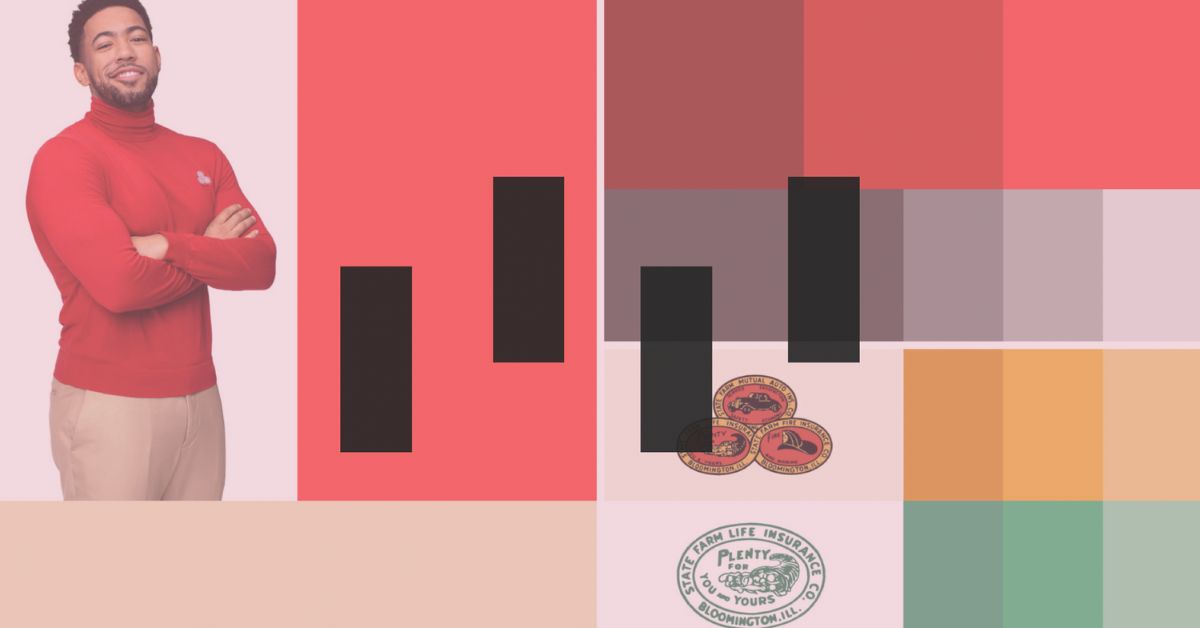
Think of Netflix’s “ta-dum,” or State Farm’s “Like a Good Neighbor”; these are not temporary soundtracks for a brand to use once; they were created strategically to differentiate from competitors and are used consistently to build recall adding a whole new dimension to their brand perception. For a consumer deciding between multiple brands, sound can be the distinguishing factor that sways preference.

Building a Cohesive, Consistent Brand

The music industry is full of iconic songs, but a brand can do much more than borrow the recognition of an existing song. Creating a tailored brand sound strategy instead of licensing music allows you to create an iconic, timeless soundscape that is uniquely yours and can be used consistently.

Building a consistent sound profile isn’t about simply slapping a recognizable jingle on your ad. It’s crafting a sonic foundation that complements and intertwines with your visual identity and supports your brand values. The tactile clicking of a turn signal in a luxury car, the uplifting melody accompanying the logo of a sports brand, or the immersive texture of a soundscape for an event—these aren’t happy accidents. They’re the meticulous results of an intentional, cohesive sound strategy.

Sound cohesion is an essential partner of visual branding, working in tandem to build a full-sensory brand experience that lingers long after exposure.

Driving Recall and Memorability

One of the biggest reasons that strategic sound design is important for your brand is that it has the ability to drive recall creating equity for your brand in a crowded market.

By creating a unique acoustic identity, brands stand ready to distinguish themselves and leave a lasting impression, bringing an added layer of depth to their consumer engagement.

Plus, you can create a diverse sound logo tool kit that ensures you have variations on a consistent theme for your brand to fit various situations. For example, in our work with State Farm, we created several variations of their sound logo that change instrumentation depending on the type of mood of a given advertisement. This helps to drive consistency in the continued use of melody while giving flexibility to meet the mood in brand messaging.

Saving Money in the Long Run

While it’s true that creating an audio brand requires an initial investment, it’s an endeavor that reaps long-term dividends. Unlike paying for the licensing of visual content, owning the sounds associated with your brand means perpetuity—no monthly bills, no reminders of when the agreement expires.

Moreover, if you’re responsible for the creation of custom music assets, they become a part of your brand’s intellectual property. It’s music that not only promotes your brand but can be, in itself, a revenue stream when licensed to other entities. Work with our team at CMoore Sound to start developing your company’s sonic branding strategy today and create a sound that showcases your uniqueness from others in your industry.

Ways To Design Product Sounds for Generation Z

Today, brands are constantly seeking new ways to connect with Generation Z. One increasingly popular method is through the strategic use of product sounds. Below, we explore how businesses can effectively design sounds that appeal to this digital-savvy generation and enhance their branding efforts. Discover a few ways to design product sounds for Generation Z to ensure you create a relatable, engaging experience for your target audience.

Evaluating Generation Z

First, read the room—who is your audience, and what do they expect from your product designs? Individuals among Generation Z, people born between the late 1990s and early 2010s, have grown up in a world full of digital and auditory experiences. This generation is accustomed to seamless digital interactions, where sound plays a crucial role.

Sound is integral to their daily lives, whether it’s the notification ping on their smartphones or the background music in their favorite apps. The importance of sound for Generation Z extends beyond mere entertainment. It helps create memorable experiences that engage their senses and foster emotional connections.

Understanding this interaction with sound is essential for marketing professionals, entrepreneurs, and brand strategists. They must also understand how to craft effective product sounds that resonate with this audience.

Staying Relevant to Branding

Sound can be a powerful tool in creating brand differentiation and establishing emotional connections. Unique and well-designed product sounds can set a brand apart from its competitors in a crowded market and leave a lasting impression on consumers.

For instance, the Apple iPhone’s signature ringtone demonstrates how a distinct sound has become synonymous with the brand, creating an immediate association with Apple’s products.

The aesthetic aspect of the sound must align with the brand’s image and the target audience’s preferences. A sound that appeals to Generation Z should be modern, trendy, and engaging. Your sound should be simple but still creative and pleasant.

Plus, the functional aspect of the sound is crucial. It should serve a purpose and provide clear feedback to users. For example, the sound of a camera shutter on a smartphone informs the user that they have successfully taken a photo. Functional sounds should be intuitive and enhance the user experience.

By leveraging sound, businesses can enhance their brand identity, create emotional connections, and ensure their products stand out in the minds of Generation Z.

Looking Toward the Future

Another critical way to design product sounds for Generation Z is to think about your long-term goals. Great product sound design requires looking ahead and ensuring your sound will play a key role in branding moving forward and remain relevant to your key demographic.

Designing effective product sounds requires a combination of creativity, technology, and strategic thinking. Collaboration with professional sound designers can bring valuable expertise to the table. These experts understand the nuances of sound and can create custom sounds that align with the brand’s vision and goals.

Conducting user testing and gathering feedback from Generation Z can provide insights into how they perceive and interact with product sounds. This iterative process ensures that the final sound design resonates with the target audience.

Sound design should be an integral part of the overall brand strategy. It should complement the visual identity, tone of voice, and other brand elements to create a cohesive and immersive brand experience. Start working with interactive sound design specialists to carefully craft an experience that caters precisely to your target audience and moves your branding efforts further.

How To Choose the Right Music for Your Brand

Marketing professionals understand the power of a well-crafted message and the nuance of visual storytelling. Yet, one component in the branding arsenal weaves through both, creating an invaluable impression without uttering a single word—music.

Understanding how to choose the right music for your brand requires a deep appreciation for the auditory experience. We aim to guide you through this process, offering insights and practical tips for professionals looking to elevate their branding opportunities. Dive into this comprehensive guide to gain the insight you need to make your brand seen, heard, and appreciated.

Setting the Stage: The Importance of Music in Branding

Music is a universal language, capable of evoking emotions and memories in mere seconds. For brands, leveraging this powerful tool can mean the difference between a memorable campaign and a forgettable one.

Music sets the tone, communicates values, and connects with audiences on a profound level. In an era where consumers are constantly bombarded with visual messages, music can cut through the noise, making your brand stand out.

Now that you understand music’s role in marketing, let’s delve into the various aspects of selecting music for your brand, ensuring it’s as impactful as your visual and textual elements.

Understanding Your Brand’s Identity

Before you can choose music for your brand, you need to understand its essence. What are your core values? What emotions do you want to evoke in your audience? Your brand’s identity should serve as the foundation for your musical choices. If your brand is all about innovation and cutting-edge technology, you might lean toward modern, electronic sounds.

Conversely, if your brand exudes elegance and tradition, classical music might be more fitting. Aligning your musical choices with your brand’s identity ensures a cohesive and resonant message.

This doesn’t mean you can’t experiment in your marketing, but all your efforts should have a throughline that makes the music distinctly yours, regardless of where your target audience hears it.

Target Audience Analysis

Your target audience plays a crucial role in the music selection process. The music that resonates with a younger audience will differ from what appeals to an older demographic.

Keep in mind that the music should sound good to you and your audience, which requires research. Understanding the preferences, habits, and expectations of your audience can guide your choices and make your music align with your brand while resonating with the people you aim to reach.

Market research, audience surveys, and social listening are invaluable tools in this analysis; they will provide insights that can make your music selection more effective. Simply put, the more you know about your audience, the easier it will be to create the best music for your brand.

Legal Considerations

Incorporating music into your branding strategy involves navigating the complex world of copyright and licensing. You can’t simply take your favorite song and stick it in an advertisement for your company without permission from the artist. Using copyrighted music without licensing can lead to legal repercussions, tarnishing your brand’s reputation. We cannot overstate the importance of legal considerations; luckily, it’s not always a complicated obstacle to overcome! There are several options available, from purchasing licenses for popular tracks to exploring royalty-free music libraries.

Many of the legal and logistical obstacles you may encounter are easy to maneuver if you work with a reputable brand music agency that understands how to navigate the complexities. At CMoore Sound, we offer brand music perfectly tailored to your company—your options are wider than you may realize!

Beyond music experts, you can talk to legal experts to ensure the best results. Don’t hesitate to consult legal experts if you need to learn more about the laws relevant to your company, industry, and marketing goals. Understanding the legal landscape ensures your branding efforts are not only effective but also compliant with industry standards.

Crafting the Emotional Impact

Music’s ability to influence emotions and perceptions is far from new. Different genres, tempos, and keys can evoke a range of feelings, from excitement and joy to melancholy and nostalgia.

Understanding emotional triggers allows you to select music that aligns with your branding goals. Upbeat music can energize your audience, making it ideal for campaigns focused on dynamism and action. On the other hand, slow, melodic tunes can create a sense of calm and introspection, perfect for brands fostering a serene and thoughtful image.

Selecting the right music for your brand involves choosing a genre and finding the perfect fit for your message and your audience’s expectations. Start by exploring various music sources, and work with a music branding agency that can deliver on those creative goals.

Reflecting on Modern Music

Consider the length of the track; it should fit seamlessly into your campaign. Pay attention to the lyrics, if you are including them, as they should complement your brand’s message. In addition, don’t shy away from custom compositions; they offer a unique auditory experience, setting your brand apart from competitors.

Examining successful music branding strategies offers valuable lessons and inspiration. For example, Apple uses music in its iconic advertising. The brand’s carefully curated soundtracks have become synonymous with innovation and style.

Another notable example is Coca-Cola campaigns, featuring catchy, uplifting tunes that capture the essence of happiness and togetherness. These case studies highlight the importance of strategic music selection and its potential to elevate a brand’s message.

The Impact of Choosing the Right Music

Choosing the right music for your brand is not a task you can take lightly. It requires a deep understanding of your brand’s identity, a thorough analysis of your target audience, and a keen awareness of the emotional impact of music.

By considering these factors and implementing our practical tips, you can create a compelling auditory branding strategy that resonates with your audience and reinforces your brand’s message. As you embark on this journey, remember that the melody of your brand is as important as its visual and textual elements. Make it count, and let it speak volumes about who you are and what you stand for.

How To Choose the Right Music for Your Brand
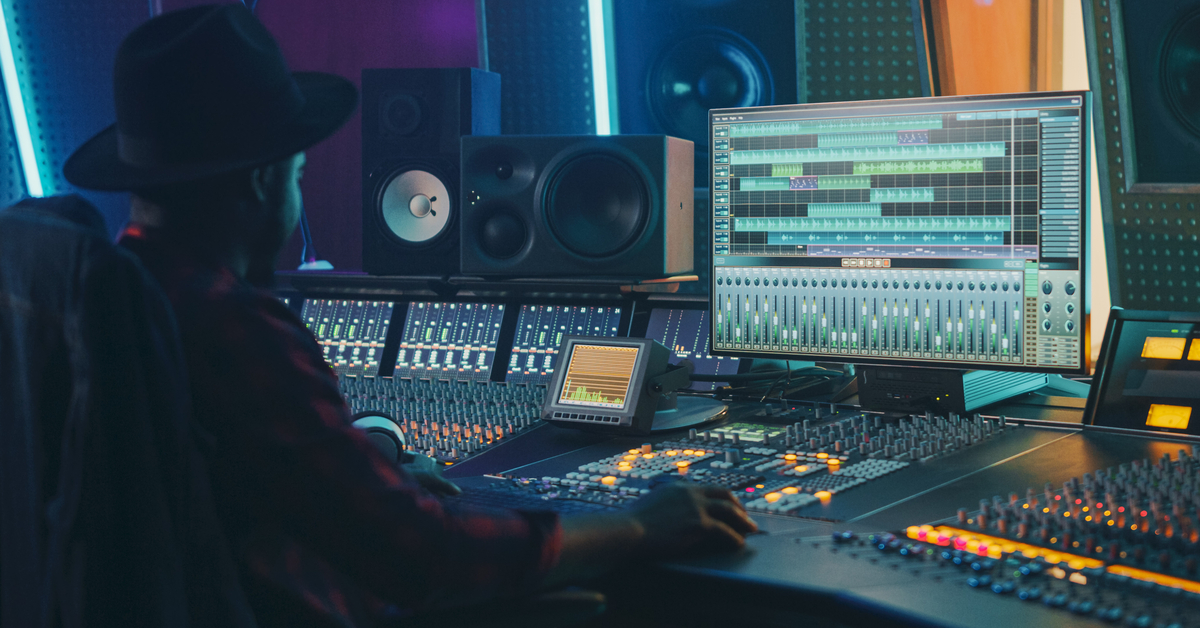
An audio engineer working at their clean workstation in a room full of colorful vibrant lights and big speakers.

Audio marketing encompasses a range of strategies that use sound to convey a message, build a brand, and connect with audiences on a deeper, more sensory level. Let’s delve into the different types of audio marketing you should consider, exploring their unique benefits and practical implementation tips.

Understanding the potential of audio marketing will equip you with the knowledge to craft campaigns that resonate and leave a lasting impression. Get the knowledge you need today to make immediate, impactful changes to your brand.

Audio Branding: Crafting Your Sonic Identity

Audio branding goes beyond just a catchy jingle; it’s about creating a sonic identity that encapsulates your brand’s essence and values. Sound has a profound impact on human emotions and memory, making it a powerful tool for brand recognition and loyalty.

Businesses can use audio branding to enhance the customer experience, create memorable brand moments, and differentiate themselves from competitors. From unique sound logos to custom background music in commercials, the possibilities are endless.

A successful audio branding strategy requires a deep understanding of your brand’s identity and audience. Collaborating with audio experts to develop a cohesive and evocative soundscape can transform the way customers perceive and interact with your brand, leaving a lasting auditory imprint. For example, at CMoore Sound, our audio branding agency helps businesses develop sound logos and other key auditory features for their marketing and user experience.

Audio Ads and Sponsorships: Targeted and Engaging

Audio ads and sponsorships are integral components of audio marketing, offering businesses the chance to reach highly targeted audiences through various platforms. Whether it’s through streaming services, podcasts, or digital radio, audio ads provide a seamless way to integrate marketing messages into the listener’s experience.

The key to effective audio ads lies in their creativity and relevance. Crafting compelling scripts, using professional voiceovers, and incorporating sound effects and sonic logos can make your ads stand out. Additionally, sponsorships of popular podcasts or radio shows can enhance brand credibility and engage listeners in a more organic manner.

The flexibility of audio ads allows for precise targeting based on demographics, interests, and listening habits. This precision ensures your message reaches the right audience, maximizing the impact of your marketing efforts.

Music Marketing: Harmonizing With Your Audience

Music has a universal appeal and a unique ability to evoke emotions, making it a powerful tool in marketing. Incorporating music into your marketing strategies can create a deeper connection with your audience, enhance your brand image, and make your campaigns more memorable.

Businesses can leverage music marketing in various ways, from creating branded playlists to partnering with artists for exclusive content. Music can also be used in commercials, social media content, and events to set the tone and reinforce your brand message.

Understanding your audience’s musical preferences and aligning your music choices with your brand’s identity is crucial. By harmonizing with your audience through music, you can create a resonant and impactful marketing experience that stands out in a crowded digital landscape.

There are many different types of audio marketing to consider for businesses. Which best aligns with your needs? Use the methods above to engage with your audience more effectively today.

3 Tips for Creating a Memorable Brand Anthem

A brand anthem is a piece of music or a song that captures the spirit and values of your brand. It serves as an auditory representation of your brand’s identity.

A well-crafted brand anthem can foster a deep emotional connection between your brand and its audience, setting your brand apart from competitors and giving it a unique voice. Use these tips for creating a memorable brand anthem to build an iconic, effective tune for your company.

Craft Your Brand’s Story

A compelling brand anthem tells a story. It should narrate the journey of your brand, its values, mission, and vision.

Employing elements of storytelling in your anthem can make it more relatable and engaging for your audience. Identify the core themes that define your brand, whether it’s innovation, sustainability, luxury, or performance.

Your anthem should reflect these themes. Develop a narrative that weaves these themes into a cohesive story.

The narrative should be inspiring and align with your brand’s message. You may not be a musician or sound expert yourself, but that doesn’t mean you can’t craft a great brand anthem.

You can work with a sound design company that brings your brand to life auditorily. At CMoore Sound, we provide brand sound design services that bring brand narratives to every touchpoint, crafting sound logos and brand music that forge an overall sound design strategy.

Engage Your Listeners

Your brand anthem should resonate with your target audience. To achieve this, you need to have a deep understanding of who they are and what matters to them.

Consider the demographic characteristics of your audience, such as age, gender, location, and interests. What kind of music captures their attention, and why? Emotion and authenticity are key ingredients in a memorable brand anthem.

Choose musical elements that evoke the desired emotions. For example, upbeat and energetic music can convey excitement and innovation, while calm and soothing music can evoke a sense of luxury and relaxation.

One of the best ways to create a memorable brand anthem is to ensure the anthem feels authentic to your brand. Avoid clichés and generic messages. Instead, focus on what makes your brand unique.

Connect the Brand Anthem With Other Sonic Elements

A brand anthem is one part of a larger marketing strategy, so it should coincide with your other brand sound elements such as sound logo or audio ux assets. This doesn’t mean that every button on your product needs to emit the full anthem.

However, think about the emotion behind the tones of your anthem and how they connect with customer touchpoints. Use your brand anthem as part of interactive elements on devices or apps.

For example, think about background music that plays when users navigate through your digital platforms. Incorporate audio cues that guide users through their journey.

These cues can be subtle yet effective in enhancing the overall experience. Provide auditory feedback for user actions, such as clicks, swipes, and transitions.

This feedback can make the experience more seamless and satisfying. Use directional sound to indicate important areas or actions, guiding users to key features and information.

Don’t choose these sounds at random—craft them in a way that remains cohesive with the brand anthem and other sound design elements.

A well-crafted brand anthem that has been thoughtfully integrated into your brand’s sound and larger audio ecosystem can elevate your brand to new heights and leave a lasting impression on your audience. Start developing a strong anthem today, and let your brand’s voice be heard.